
Dercum’s Disease (Adiposis Dolorosa)
Understanding the Rare Disorder of Painful Lipomas
Dercum’s Disease is best classified as a syndrome of painful growths of subcutaneous fat called ‘lipomas’.
These growths can appear throughout the body, causing persistent discomfort, fatigue, and mobility challenges. Often misunderstood or misdiagnosed, Dercum’s Disease significantly impacts quality of life, making daily activities difficult and diminishing overall well-being.
At Total Lipedema Care, Dr. Jaime Schwartz MD FACS specializes in accurately identifying and compassionately treating rare adipose disorders, including Dercum’s Disease.
Utilizing advanced diagnostic methods, Dr. Schwartz carefully maps out personalized treatment plans for patients, designed to relieve pain, reduce fatty growths, and significantly improve their day-to-day comfort.
WHAT IS DERCUM’S DISEASE?
Dercum’s disease is one of the subcutaneous adipose tissue diseases, a rare disorder characterized by multiple painful growths of fatty tissue (lipomas) under the skin.
In patients with Dercum’s disease, also known as adiposis dolorosa, benign tumors made of adipose tissue (body fat) form in the subcutaneous tissue and cause chronic, severe pain. The condition was first described in 1892 by Dr. Francis Dercum, who coined the term “adiposis dolorosa,” Latin for painful fat, to describe the hallmark symptom of painful fatty deposits.
This is a rare disease often misunderstood and misdiagnosed. It predominantly affects women in mid-adulthood and is frequently associated with being overweight or obese.
Because of its rarity and the fact that most typical lipomas are painless, patients with Dercum’s disease may struggle for years to get a proper diagnosis. The chronic pain from these fatty growths can be debilitating, but understanding the condition and seeking expert care is the first step toward relief.
SIGNS AND SYMPTOMS (CLINICAL PRESENTATION)
Painful lipomas are the signature symptom of Dercum’s disease.
Virtually all patients develop multiple lipomas (lumps of fatty tissue) just below the skin’s surface that hurt – often described as burning, aching, or tender. These painful lumps can range in size from tiny pea-sized nodules to as large as a fist, and they may be soft or slightly firm.
Common locations include the upper arms, legs (thighs), trunk/abdomen, and buttocks, and they often appear in a roughly symmetric pattern on both sides of the body. In some cases, even areas of fatty tissue without a distinct lump can be sore to the touch or spontaneously painful, a phenomenon of diffuse pain in adipose tissue.
Many patients report that even light pressure, such as the touch of tight clothing, can trigger pain in affected areas (hyperalgesia).
Beyond the lipomas and pain, Dercum’s disease can cause a wide array of other symptoms and associated problems. These can vary from person to person, but commonly include:
- Chronic Pain – Persistent pain in subcutaneous fat for at least 3 months, often debilitating. Pain may be constant or intermittent and can worsen with pressure or minor trauma. Patients often describe deep aching or burning pain in the fatty areas.
- Fatigue and Weakness – Many individuals experience chronic fatigue, lack of energy, or muscle weakness. Simply carrying out daily tasks can be exhausting due to the body fighting constant pain.
- Weight Gain or Difficulty Losing Weight – Unexplained weight gain or an inability to lose weight is commonly noted. Dercum’s disease is often accompanied by a higher body mass index, and many patients are in the overweight or obese range. The condition itself may not directly cause obesity, but hormonal or metabolic factors could be involved, and pain can limit physical activity.
- Swelling and Edema – Some patients report swelling in different parts of the body that can come and go, such as periodic swelling in the hands or feet. This may be due to fluid retention or an abnormal lymphatic phenotype (inefficient lymphatic drainage in the fatty tissue) noted in Dercum’s disease.
- Easy Bruising – The affected areas can bruise more easily than normal. Fragility of the small blood vessels in the fatty tissue or lymphatic issues might contribute to this tendency.
- Stiffness and Joint Aches – Patients often feel stiff, especially after lying down or in the morning (akin to morning stiffness). Joint pain or aches can occur, sometimes related to lipomas near joints (for example, around the knees or shoulders) or due to general inflammation.
- Headaches and Migraines – Frequent headaches can be a complaint, potentially related to the general pain syndrome or associated conditions like migraines.
- Cognitive Difficulties (“Brain Fog”) – Trouble with thinking, concentration, or memory (cognitive dysfunction) is frequently reported. Patients might describe feeling “foggy-headed” or having difficulty remembering things, which could be a result of chronic pain and poor sleep.
- Sleep Disturbances – Chronic pain often interferes with sleep quality. Many with Dercum’s have insomnia or unrefreshing sleep and may wake up frequently due to discomfort. Poor sleep, in turn, can worsen pain and fatigue, creating a vicious cycle.
- Rapid Heart Rate or Shortness of Breath – Some individuals experience episodes of rapid heartbeat (tachycardia) or feeling short of breath. These could be related to pain (since pain can stimulate the heart and breathing) or possibly autonomic nervous system involvement in the disease.
- Digestive Issues – Bloating and constipation have been observed in some patients. Chronic pain and reduced activity can slow digestion, and certain pain medications can also cause constipation.
It’s important to note that not every patient has all of these symptoms.
The clinical presentation can vary widely. Some people have only the painful lipomas and moderate fatigue, while others experience a broad spectrum of systemic issues (sometimes resembling fibromyalgia in its widespread pain and fatigue).
Additionally, symptoms may wax and wane. There can be periods where pain intensifies (flare-ups) and times when it is more manageable. Stress or physical exertion might trigger more pain for some patients, whereas others find no clear pattern.

The precise cause of Dercum’s disease remains unknown.
Research is ongoing, but as of now, Dercum’s is considered an idiopathic condition, meaning it has no single identified cause. However, several theories have been proposed regarding its development and what might trigger those painful fatty growths:
- Autoimmune Factors – Some researchers suspect Dercum’s disease may be an autoimmune disorder, in which the immune system might mistakenly attack the body’s own fat tissue or trigger inflammation in fatty areas.
- Defect in Fat Metabolism – Another theory is a fundamental problem in lipid (fat) metabolism or adipose tissue function. Essentially, the body might improperly store or break down fat, leading to local accumulations of painful fat deposits.
- Nervous System Dysfunction – There may be a component of nervous system dysregulation. One idea is that the autonomic nervous system, which controls things like pain signals, heart rate, and other unconscious functions, might be out of balance in Dercum’s.
- Mechanical Pressure and Compression – It has been suggested that as the adipose tissue accumulates in lipomas, it could press on nearby nerves, causing pain. In other words, the growth of fatty tumors might entrap or compress small nerve fibers in the skin and fat, leading to chronic pain signals.
- Inflammation and Lymphatic Dysfunction – Emerging research indicates there are inflammatory changes in the fat of Dercum’s patients, and the lymphatic system, which helps drain fluid and immune cells, may be impaired.
- Trauma or Infections as Triggers – There are reports of Dercum’s disease developing after a physical trauma or injury to the body, such as after a surgery or accident, leading to the term trauma-induced adiposis dolorosa in some cases.
Given these possibilities, it’s likely that Dercum’s disease is multifactorial, meaning a combination of genetic predisposition, immune system behavior, and environmental triggers like trauma, infection, or hormonal changes could all contribute to its development.
Genetics and Familial Cases
Most cases of Dercum’s disease are sporadic, occurring in people with no family history of the condition. However, there have been rare reports of it running in families.
Some familial cases suggest an autosomal dominant inheritance with incomplete penetrance: In simpler terms, a parent with the condition might pass on a tendency to develop it, but not all relatives who inherit that tendency will actually get sick. No specific gene has been pinpointed yet, and part of the difficulty in confirming familial transmission is distinguishing Dercum’s from other hereditary multiple lipoma conditions, like familial multiple lipomatosis.
Familial Multiple Lipomatosis is a genetic condition where people develop numerous lipomas, but unlike Dercum’s, those lipomas are typically not painful. A family might appear to have “Dercum’s” if multiple members have lots of lipomas, but if those aren’t painful, it’s a different diagnosis..
Risk Factors
While anyone can theoretically develop Dercum’s disease, certain factors are associated with higher likelihood:
- Sex (Female Predominance) – Dercum’s overwhelmingly affects women. Studies estimate that it is about 5–30 times more common in women than in men. Most women who develop it are adult women.
- Age – The typical age of onset is between 35 and 50 years. Dercum’s is uncommon in young adults and rare in children.
- Weight – The majority of Dercum’s patients have a Body Mass Index classified as overweight or obese. This is so common that earlier definitions of the disease included obesity as a characteristic part of it. It’s not clear whether excess weight is a contributing cause or a result.
- Other Health Conditions – Some patients with Dercum’s also have other disorders, though these associations are not fully understood. Conditions noted alongside Dercum’s include: autoimmune diseases (like rheumatoid arthritis or lupus in a few cases), hypothyroidism (underactive thyroid), diabetes, and sometimes chronic hepatitis C infection.
- Injury or Surgery – A history of significant injury, surgery, or physical trauma affecting fatty areas has been noted in some patients prior to the onset of Dercum’s disease. For example, a patient may notice their first painful lipoma at the site of a past injury or surgical scar.
It’s worth emphasizing that Dercum’s disease is rare.
Just because someone has these risk factors (e.g. a middle-aged woman with obesity and fatigue) does not mean they have Dercum’s. More common conditions could explain their symptoms.
Currently, there are no universally accepted formal diagnostic criteria. In other words, there’s no checklist that every doctor agrees upon to confirm Dercum’s.
Instead, doctors rely on clinical judgment: they look at the patient’s history, symptoms, and exam findings, and rule out other possible causes for those symptoms.
Clinical Evaluation
The diagnostic process begins with a thorough patient history and physical examination. A doctor will ask about the nature of the pain: Where are the painful areas? How long has the pain been present? Is it constant or intermittent? What makes it better or worse?
The history may include questions about weight changes, injuries, medications, and family history of similar problems. During the physical exam, the physician will carefully palpate (feel) the subcutaneous tissue for lipomas or any tender nodules.
Key clinical findings suggestive of Dercum’s disease include: multiple palpable lipomas or fatty nodules, tenderness or pain when those are pressed, and most of these located in the typical distribution (arms, legs, trunk, buttocks) often with a symmetric pattern. If the patient is overweight or obese and has been in pain for many months, that adds to the clinical picture consistent with Dercum’s.
Exclusion of Other Conditions
Because many more common conditions can cause some of the same symptoms, a critical part of diagnosing Dercum’s is differential diagnosis: identifying and ruling out other diagnoses that could explain the patient’s signs and symptoms.
This often involves ordering laboratory tests and imaging studies, both to ensure nothing else is missed and to support the Dercum’s diagnosis. Some steps a doctor might take include:
- Laboratory tests
- Imaging studies
- Biopsy
After these evaluations, if the patient’s presentation fits the pattern of Dercum’s disease and no other cause is found, the diagnosis is made clinically.
NODULAR TYPE
This form is characterized by distinct, well-defined lipomas that are often larger in size.
Nodular Dercum’s disease means the patient has identifiable lumps of fatty tissue (for example, inch-sized or larger nodules) that cause intense pain in their immediate area. These painful lipomas tend to occur around the arms, torso (abdomen and back), thighs, or buttocks.
On examination, a doctor can clearly feel the edges of these nodules. Nodular type might be generalized nodular (many lipomas all over) or localized nodular (clusters of painful lipomas in one region), but in both cases, the pain is often localized “in and around” each lipoma.
Patients with nodular Dercum’s often report that certain lumps are particularly excruciating if touched, and they may seek surgical removal of the worst offenders.
DIFFUSE TYPE
In diffuse Dercum’s disease, the pain is more generalized in the fatty tissue and distinct lipomas may not be obvious.
Instead of large individual lumps, there may be an ill-defined increase of painful fatty tissue spread over areas of the body. For example, a person might have a generally painful layer of fat across the upper arms or thighs without any single knot of fat to point to. This type corresponds to what some literature calls the “generalized diffuse form:” widespread painful adipose tissue without clear nodules.
It can be harder to diagnose because it might resemble lipedema or fibromyalgia. The tissue feels doughy or thicker than normal, and pressing on it still elicits pain. These patients might say “everywhere I have fat, it hurts.” Diffuse type can cause a more constant, widespread aching or burning pain, and these patients often have more overall pain burden, even if they lack big lipomas.
MIXED TYPE
As the name implies, mixed Dercum’s disease is when features of both nodular and diffuse are present.
A person with mixed type may have some large painful lipomas in certain areas and also experience diffuse pain in other fatty regions without distinct lumps. Many patients likely fall into this category, having a combination of isolated painful nodules and more generalized painful fat.
For instance, one might have a few big, extremely painful lipomas on the arms (nodular features) and also a persistent pain and tenderness across the abdominal fat (diffuse feature). The mixed type underscores that Dercum’s can affect the body in multiple ways simultaneously.
Living with Dercum’s disease can be physically and emotionally challenging. Because this is a chronic condition marked by persistent pain, patients often find that it affects nearly every aspect of daily life, from performing routine tasks to one’s sense of well-being and mental health.
Here are some key aspects of what it’s like to live with this rare disorder and ways to cope:
IMPACT ON DAILY ACTIVITIES
Chronic pain and tenderness in fatty areas mean that activities many people take for granted can become difficult. Simple tasks like walking, cleaning, or lifting objects might exacerbate pain if they involve pressure or movement around painful lipomas.
Some patients have to modify how they sit or sleep (for example, using extra cushions or memory foam mattresses) to avoid putting pressure on painful areas.
There may be limitations in exercise or physical hobbies; high-impact activities can be intolerable, and even gentle exercise needs to be approached carefully. Over time, the pain and fatigue can lead to reduced mobility: patients might avoid moving as much because it hurts, which can cause muscle deconditioning and stiffness, further hampering mobility.
In severe cases, people may need canes or walkers if leg lipomas cause significant discomfort with walking.
EMOTIONAL AND PSYCHOLOGICAL WELL-BEING
The combination of chronic pain and the rarity of Dercum’s disease can be very taxing on a person’s mental health. One might be irritable or quick to cry on bad pain days, then feel hopeful on better days, only to swing back if a new lipoma appears or pain returns.
Depression can arise from the constant pain, reduced ability to enjoy activities, and possibly weight gain or body image concerns related to the lipomas. Anxiety might stem from worrying about when the next pain flare will occur or whether new painful growths will develop. There’s also the stress of dealing with medical appointments and sometimes skepticism from healthcare providers who are not familiar with Dercum’s.
Mental health support is crucial. Counseling or therapy can provide coping strategies, and sometimes medications like antidepressants are used not only to improve mood but also because they can help with chronic pain and sleep. Joining support groups can also alleviate the sense of isolation.
SLEEP CHALLENGES
Pain-related sleep disturbance means that patients often face each day already fatigued. Lack of restorative sleep intensifies pain sensitivity and can impair concentration and memory, contributing to the “brain fog.”
Some strategies to improve sleep include maintaining good sleep hygiene (dark, quiet room, consistent bedtime), using body pillows to cushion tender areas, and doctor-prescribed sleep aids or pain medication at night.
Some patients benefit from gentle nighttime stretching or a warm bath to relax muscles before bed. It’s a cycle to break: better sleep can improve pain tolerance, and better pain control can improve sleep.
PHYSICAL APPEARANCE AND BODY IMAGE
Dercum’s disease can sometimes alter one’s physical appearance. The lipomas can create visible lumps or bulges under the skin. While often hidden under clothing, they may cause asymmetry or noticeable protrusions in areas like the arms or legs.
Combined with weight gain, some patients feel self-conscious or worry about how others perceive them. This can affect social interactions or willingness to wear certain clothes. Understanding that these growths are a medical condition and not due to anything the patient did can help alleviate shame.
Some choose to have particularly bothersome lumps removed for comfort and appearance, which can boost self-esteem. Support from loved ones and counseling can assist in maintaining a positive body image.

There is currently no cure for Dercum’s disease, but there are numerous treatment approaches aimed at managing symptoms, reducing pain and improving quality of life.
Often, patients will need a combination of therapies, a comprehensive pain management strategy, tailored to their specific symptoms and the severity of their condition. It may take some trial and error to find the most effective regimen, and what works for one patient may not work for another.
Ideally, care is managed by a multidisciplinary team (pain specialists, surgeons, endocrinologists, physiotherapists, etc.) or a physician experienced in treating fat disorders.
Lifestyle and Supportive Measures
- Weight Management – While losing weight does not cure Dercum’s disease or make the lipomas disappear, maintaining a healthy weight can reduce overall inflammation and stress on the body. Gradual weight loss in an overweight patient might help lessen pain in weight-bearing joints and improve mobility. Some patients note mild improvement in pain with weight loss, though the condition itself persists. A nutritionist can help tailor an anti-inflammatory diet (for example, a diet rich in vegetables, omega-3 fatty acids, and low in processed sugars) which may support weight loss and possibly reduce pain flare-ups.
- Low-Impact Exercise – Regular gentle exercise is encouraged to the extent tolerated. Activities like swimming, water aerobics, yoga, stretching, or walking in short durations can help keep circulation moving and prevent muscle atrophy without putting excessive strain on painful areas. Exercise can also boost mood and energy. It’s important to start slow and listen to your body.
- Manual Lymphatic Drainage (MLD) Therapy – Given the lymphatic issues noted in Dercum’s, manual lymphatic drainage, a specialized light massage technique that helps move lymph fluid, has been used to reduce swelling and discomfort in patients. MLD, commonly used in lipedema and lymphedema, may help Dercum’s patients by decreasing fluid buildup in tissues and potentially flushing out inflammatory mediators. Compression garments might also be recommended in certain areas to prevent fluid accumulation, though they must be used carefully since tight compression could provoke pain if a lipoma is very tender.
- Psychological Support and Pain Coping Strategies – As discussed, addressing mental health is a key component of treatment. Cognitive-behavioral therapy (CBT) and other counseling techniques can help patients develop coping strategies for chronic pain. In some cases, psychiatrists may prescribe medications like antidepressants or anti-anxiety medications not only to treat mood but also because certain ones (like SNRIs or tricyclic antidepressants) have pain-relieving properties in chronic pain syndromes.
- Pain Self-Management Tools – Patients often use various at-home methods for symptomatic relief. These include warm baths or heating pads (heat can soothe aching areas), cold packs (numbing effect on sharper pains), transcutaneous electrical nerve stimulation (TENS units, which send mild electrical pulses through the skin to interfere with pain signaling), and acupuncture. Acupuncture, in particular, has anecdotal support; some patients feel it decreases pain and stress when done regularly, though scientific evidence is limited..
Medications and Injections
Medical management aims to reduce pain and inflammation associated with Dercum’s disease. This often requires a multi-pronged pharmacological approach:
- Analgesics (Pain Relievers) –Over-the-counter pain relievers like acetaminophen (Tylenol) or NSAIDs (nonsteroidal anti-inflammatory drugs such as ibuprofen or naproxen) may provide mild relief. However, Dercum’s pain is often severe enough that these alone are insufficient. In more intense pain episodes, doctors might prescribe stronger pain medications. Short courses of opioids or opioid-like medications could be used for acute flare-ups, but due to risks of dependency and side effects, they are not a long-term solution and are used cautiously.
- Antidepressants and Neuropathic Pain Medications – Certain antidepressants (like duloxetine or amitriptyline) and anti-seizure medications (like pregabalin or gabapentin) are commonly used in chronic pain syndromes. These drugs work on the nervous system to decrease pain signaling and can be especially helpful for nerve-related pain or fibromyalgia-like pain.
- Corticosteroids – Cortisone can have powerful anti-inflammatory effects. In Dercum’s, steroids might be used in a couple of ways. One is intralesional corticosteroid injections, injecting a small amount of steroid (and often a bit of anesthetic) directly into a particularly painful lipoma or fatty area. This can sometimes shrink the lipoma and reduce local inflammation, providing temporary relief in that spot.
- Lidocaine (Local Anesthetic) – Lidocaine is an anesthetic that can numb pain, and it’s utilized in Dercum’s disease in several forms. Topical lidocaine patches or creams can be applied on painful areas to dull the sensation. For more pronounced relief, doctors may perform intralesional lidocaine injections: injecting lidocaine into or around painful lipomas, similar to how a dentist numbs a tooth area. This can give short-term relief for that area and can be repeated as needed. Importantly, some patients with widespread pain have undergone intravenous lidocaine infusions. In a monitored medical setting, an IV of lidocaine can be given systemically.
In managing Dercum’s disease medically, the phrase “pain management” is key.
Often a pain management specialist, often an anesthesiologist or neurologist with specialization in pain medicine, will be involved to tailor the medication regimen, especially if opioid painkillers or infusions are used. The goal is to bring pain down to a level where the patient can function better and engage in therapies like exercise which further improve overall condition.
It’s also about improving sleep and mood, which in turn help control pain: a holistic cycle of care.
Surgical and Procedural Interventions
For some patients, especially those with prominent lipomas (nodular type), surgical approaches can provide relief.
However, it’s important to understand that surgery addresses the effects of Dercum’s (removing a lipoma) but does not cure the underlying tendency to form painful fat. New lipomas can develop even after others are removed, so surgical intervention is usually reserved for specific cases and often combined with other treatments. Here are the main options:
- Liposuction – Liposuction is a procedure that removes fat through suction cannulas, typically used cosmetically to shape body contours. In Dercum’s disease, specialized liposuction techniques (often tumescent liposuction, possibly lymphatic-sparing lipo) can remove a large volume of fatty tissue from affected areas. This can significantly reduce the number of painful lipomas and the bulk of painful fat, especially in diffuse or mixed types. Patients with Dercum’s and lipedema overlap, for instance, might benefit greatly from liposuction on the legs or arms. Liposuction has been reported as an effective but sometimes temporary treatment. Many patients experience a big improvement in pain initially, but some pain can gradually return over months or years as remaining fat tissue might become painful or new nodules form. Still, it can provide a window of relief and improved mobility. Total Lipedema Care (TLC) and Dr. Jaime Schwartz MD FACS, for example, utilize advanced liposuction techniques to carefully remove diseased fat while minimizing trauma to lymphatic vessels, which is crucial in conditions like Dercum’s where lymphatics may already be compromised.
- Excision of Lipomas – For individual large lipomas that are extremely painful, surgical excision (cutting out the lump) is a direct approach. A surgeon (often a plastic surgeon) will make an incision over the lipoma, remove it, and close the area with sutures. This is typically done for lipomas that are causing localized pain or nerve compression. Excision can provide permanent relief for that specific lump – it will not grow back – but it does create a scar and only addresses that spot. If a patient has dozens of lipomas, excising all is not practical, but targeting the worst ones can be worthwhile. There are also minimal-incision excision techniques where a very small incision is made and the lipoma is removed in pieces with a special instrument, to reduce scarring. This can be useful when multiple lipomas are removed in one session.
- Nerve Blocks and Neurostimulation – In cases of severe chronic pain, pain management doctors might consider procedures aimed at nerve pathways. For example, a nerve block involves injecting an anesthetic near certain nerves to block pain signals from a region. If a particular nerve plexus is suspected to transmit a lot of the pain, a block might give temporary relief and can be repeated.
Combining Treatments
In practice, a patient with Dercum’s disease will often use several of the above options in tandem.
For instance, a comprehensive plan might be: lifestyle changes (diet, gentle exercise), plus an SSRI antidepressant for mood and some pain relief, plus NSAIDs as needed, plus weekly manual lymphatic drainage and periodic cortisone injections for flares, plus liposuction on the most affected area, and perhaps occasional corticosteroid injections for any new painful lipoma that pops up.
It really is about management, not one-time treatment.
Patients are encouraged to work closely with their healthcare providers, report what’s working or not, and adjust the plan accordingly. The overarching goals are to reduce pain, improve function and mobility, and enhance quality of life. With persistence, many patients do achieve meaningful relief – maybe not 100% pain-free, but enough improvement to regain activities and joy that the disease had taken away.
At Total Lipedema Care (TLC) in Beverly Hills, CA, we understand the unique challenges of Dercum’s disease and are here to provide hope, expertise, and effective treatment.
TLC, led by Dr. Jaime S. Schwartz MD FACS, is a world-renowned clinic specializing in connective tissue and rare adipose disorders, including Dercum’s disease, lipedema, and related conditions. Our mission is to deliver compassionate, state-of-the-art care that is tailored to each patient’s needs, helping them regain comfort, mobility, and confidence.
Expertise in Rare Adipose Disorders
Dercum’s disease is often misdiagnosed or dismissed due to its rarity, but at TLC you will find a team that truly recognizes and believes your experience. Dr. Schwartz has dedicated his career to understanding and treating painful fat conditions. He sees patients with all types and stages of Dercum’s disease and has encountered even the most severe cases.
This depth of experience means that when you come to TLC, you don’t have to “prove” your pain – we already know it’s real, and we know how profoundly it can affect your life. Our team stays updated on the latest research and treatments for Dercum’s and other fat disorders, ensuring you receive informed care grounded in the newest insights.
Comprehensive Evaluation
When you visit TLC, we perform a thorough evaluation to confirm the diagnosis and assess the extent of your condition. This includes a detailed medical history review, physical examination of your lipomas and painful areas, and any necessary imaging or tests to map out your condition.
We take the time to listen to your journey. Often patients feel relief just finally talking to experts who know about Dercum’s. We also evaluate for overlapping conditions (such as lipedema or fibromyalgia) because many patients have complex pictures.
By building a complete understanding of your case, we can formulate the best plan forward.
Individualized Treatment Plans
There is no one-size-fits-all approach to Dercum’s disease, so TLC emphasizes personalized care. Depending on your symptoms, health status, and preferences, we will recommend a tailored combination of therapies. This may include:
- Advanced Liposuction and Surgery – As a board-certified plastic surgeon, Dr. Schwartz is highly skilled in surgical interventions for adipose disorders. He has pioneered techniques in lymphatic-sparing liposuction which can remove painful fat deposits while minimizing trauma to surrounding tissues. If surgical excision of specific lipomas is needed, we use delicate, minimal-scar methods.
- Pain Management Strategies – Our clinic will works with your pain specialists to coordinate systemic treatments like IV lidocaine infusions or nerve blocks if indicated.
- Conservative Therapies and Rehabilitation – TLC believes in a holistic approach. We recommend lifestyle modifications that support your treatment, and encourage you to pursue nutritional counseling with a dietitian who has experience in anti-inflammatory diets, or setting up a gentle exercise regimen possibly with a physical therapist familiar with Dercum’s limitations.
- Emotional Support and Resources – We know that living with a rare chronic illness is emotionally taxing. At TLC, you’ll find a supportive environment. Our staff is empathetic and patient-oriented. You will never be made to feel like an anomaly or an afterthought. We can connect you with support networks and provide resources (reading materials, contacts for counseling) to address the mental health aspect of Dercum’s.
Cutting-Edge Research and Techniques
Total Lipedema Care is at the forefront of treating fat disorders.
If you’ve been seeing other doctors (like your primary care physician, endocrinologist, or rheumatologist), we will collaborate with them. We provide detailed consultation reports and are happy to speak with your other providers to ensure continuity of care. Our aim is to integrate our specialized plan with your overall health management, so that everyone is on the same page working towards your well-being.
TLC offers hope for patients with Dercum’s disease. We have helped many patients achieve a significant reduction in pain, removal of distressing lipomas, and improvement in their daily functioning. By addressing both the physical and emotional facets of the disease, we guide you from feeling overwhelmed and in pain to feeling supported and in control.
At Total Lipedema Care, we make sure you don’t have to. We are committed to walking this journey with you, every step of the way, using our expertise to get you the relief you deserve.
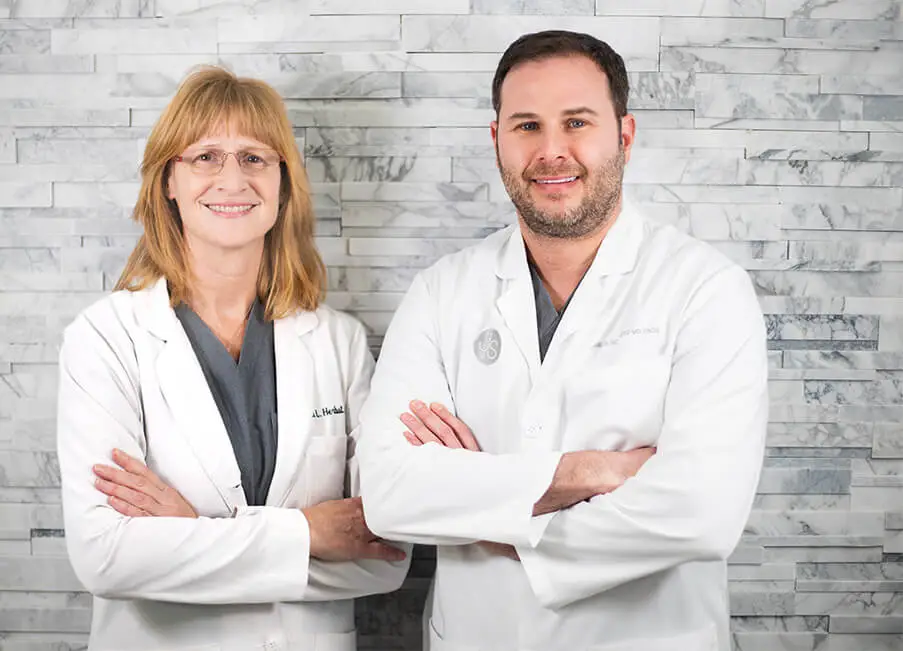
Helping patients worldwide live pain-free! Patients travel from all over the U.S. and abroad to receive care from Total Lipedema’s team of leading experts who are known for offering the most advanced and effective Dercum’s Disease treatments.